
The Role of a Gynecology Laparoscopic Expert in Women’s Health

When it comes to women’s health, especially in a bustling city like Kolkata, having access to advanced and compassionate care is essential. One of the most significant advancements in gynecological care is laparoscopic surgery. As someone deeply involved in this field, I want to share how a gynecology laparoscopic expert plays a vital role in improving women’s health outcomes. This approach not only offers less invasive treatment options but also ensures quicker recovery and better overall experiences for patients.
Understanding the Importance of a Gynecology Laparoscopic Expert
Gynecological issues can range from common conditions like ovarian cysts and fibroids to more complex problems such as endometriosis or infertility. Traditionally, many of these conditions required open surgery, which involved large incisions, longer hospital stays, and extended recovery periods. However, with the expertise of a gynecology laparoscopic expert, many of these surgeries can now be performed using minimally invasive techniques.
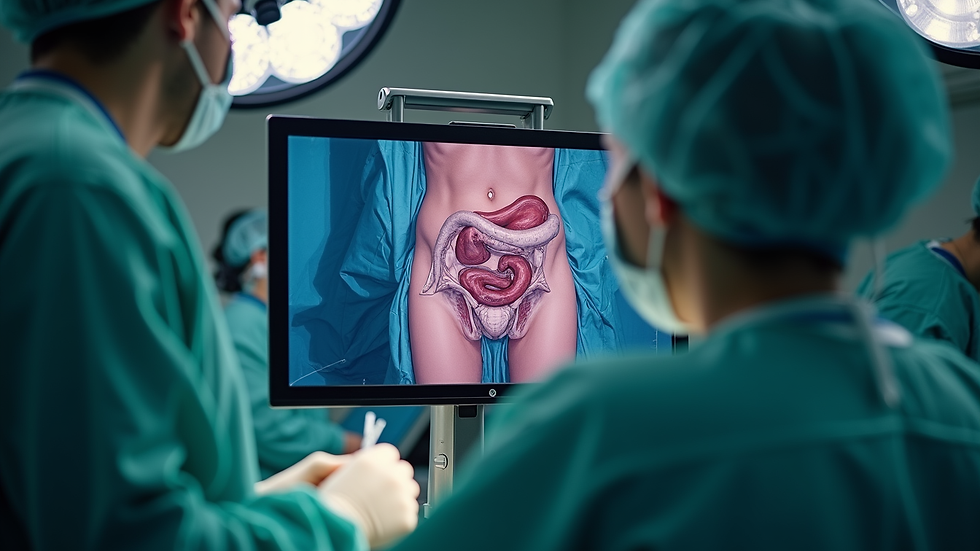
Laparoscopy involves making small incisions through which a camera and surgical instruments are inserted. This allows the surgeon to see inside the abdomen and pelvis and perform necessary procedures with precision. The benefits are clear:
Reduced pain and scarring
Shorter hospital stays
Faster return to daily activities
Lower risk of infection
For women in Kolkata seeking comprehensive care, this means access to modern treatment options that respect their time and comfort.

How a Gynecology Laparoscopic Expert Enhances Patient Care
A gynecology laparoscopic expert is not just a surgeon but a specialist who understands the unique needs of women’s reproductive health. Their role extends beyond the operating room. Here’s how they enhance patient care:
Detailed Diagnosis: Using laparoscopic techniques, the expert can diagnose conditions that might not be visible through traditional imaging methods. For example, subtle signs of endometriosis or pelvic adhesions can be identified and treated simultaneously.
Personalized Treatment Plans: Every woman’s body and health concerns are different. A laparoscopic expert tailors treatment plans based on individual needs, ensuring the best possible outcomes.
Minimally Invasive Solutions: By opting for laparoscopy, the expert minimizes trauma to the body, which is especially important for women who wish to preserve fertility or avoid extensive recovery times.
Patient Education and Support: Understanding the procedure and recovery process helps reduce anxiety. The expert takes time to explain what to expect, answer questions, and provide reassurance.
This comprehensive approach builds trust and confidence, which is crucial for women navigating gynecological health issues.
What does a laparoscopic surgeon do?
A Laparoscopic surgeon specializes in performing surgeries using small incisions and a camera to guide the instruments. In gynecology, their work includes:
Diagnostic Laparoscopy: This is often the first step to investigate unexplained pelvic pain, infertility, or abnormal bleeding. The surgeon inserts a laparoscope to view the pelvic organs and identify any abnormalities.
Treatment of Endometriosis: The surgeon removes or destroys endometrial tissue growing outside the uterus, which can cause pain and fertility problems.
Ovarian Cyst Removal: Large or persistent cysts can be removed laparoscopically, preserving ovarian function.
Fibroid Removal (Myomectomy): Fibroids that cause symptoms can be excised with minimal damage to surrounding tissues.
Tubal Surgery: Procedures to repair or block fallopian tubes for fertility or contraception purposes.
Hysterectomy: In some cases, the uterus can be removed laparoscopically, which is less invasive than traditional methods.
Each procedure requires skill, precision, and a deep understanding of female anatomy. The laparoscopic surgeon’s expertise ensures that these surgeries are safe, effective, and tailored to the patient’s needs.
Why Choose Laparoscopic Surgery for Gynecological Care?
Choosing laparoscopic surgery offers many advantages, especially for women who want to maintain an active lifestyle and minimize disruption to their daily routines. Here are some reasons why this approach is often preferred:
Less Pain: Smaller incisions mean less tissue damage and reduced postoperative pain.
Faster Recovery: Most patients can return home the same day or after a short hospital stay.
Minimal Scarring: Tiny incisions leave barely visible scars, which is important for many women.
Lower Risk of Complications: Reduced exposure of internal organs lowers the chance of infections and adhesions.
Preservation of Fertility: Many laparoscopic procedures are fertility-sparing, allowing women to conceive naturally after treatment.
For women in Kolkata, where busy schedules and family responsibilities are common, these benefits make laparoscopic surgery a practical and appealing option.
How to Prepare for a Laparoscopic Gynecological Procedure
Preparation is key to a smooth surgical experience and recovery. Here are some practical tips to help you get ready:
Consult Thoroughly: Discuss your medical history, current medications, and any allergies with your gynecology laparoscopic expert.
Follow Preoperative Instructions: You may be asked to fast for several hours before surgery or stop certain medications.
Arrange Support: Plan for someone to accompany you to the hospital and assist you at home during the initial recovery phase.
Understand the Procedure: Ask questions about what will happen during and after surgery, including pain management and activity restrictions.
Prepare Your Home: Set up a comfortable resting area with easy access to essentials like water, medications, and entertainment.
Being well-prepared helps reduce anxiety and ensures you can focus on healing after the procedure.
What to Expect After Laparoscopic Surgery
Recovery after laparoscopic surgery is generally quicker and smoother than traditional surgery, but it’s important to follow your doctor’s advice carefully. Here’s what you can expect:
Mild Discomfort: Some pain or soreness around the incision sites is normal and can be managed with prescribed painkillers.
Limited Activity: Avoid heavy lifting and strenuous exercise for a few weeks, but gentle walking is encouraged to promote circulation.
Follow-up Visits: Your gynecology laparoscopic expert will schedule check-ups to monitor healing and address any concerns.
Watch for Symptoms: Contact your doctor if you experience fever, severe pain, heavy bleeding, or signs of infection.
Gradual Return to Routine: Most women resume normal activities within 1-2 weeks, depending on the procedure.
Remember, every woman’s recovery is unique. Patience and self-care are essential during this time.
Embracing Advanced Gynecological Care in Kolkata
Living in Kolkata means having access to some of the best healthcare professionals dedicated to women’s health. As Dr. Kanya Kumari Kundu strives to be the top choice for comprehensive gynecological and obstetric care, embracing laparoscopic surgery is a key part of that mission. This approach reflects a commitment to combining advanced technology with compassionate care.
If you are facing gynecological issues or planning a procedure, consider consulting a gynecology laparoscopic expert. Their expertise can make a significant difference in your treatment experience and outcomes. Remember, your health and comfort are paramount, and modern laparoscopic techniques offer a path to healing that respects both.
By choosing minimally invasive surgery, you are taking a step towards better health with less disruption to your life. It’s a choice that empowers you to focus on what matters most - your well-being and happiness.
Thank you for taking the time to learn about the role of a gynecology laparoscopic expert. If you have any questions or want to explore your options, don’t hesitate to reach out to trusted healthcare providers in Kolkata who specialize in this field. Your journey to better health starts with informed decisions and expert care.



Comments